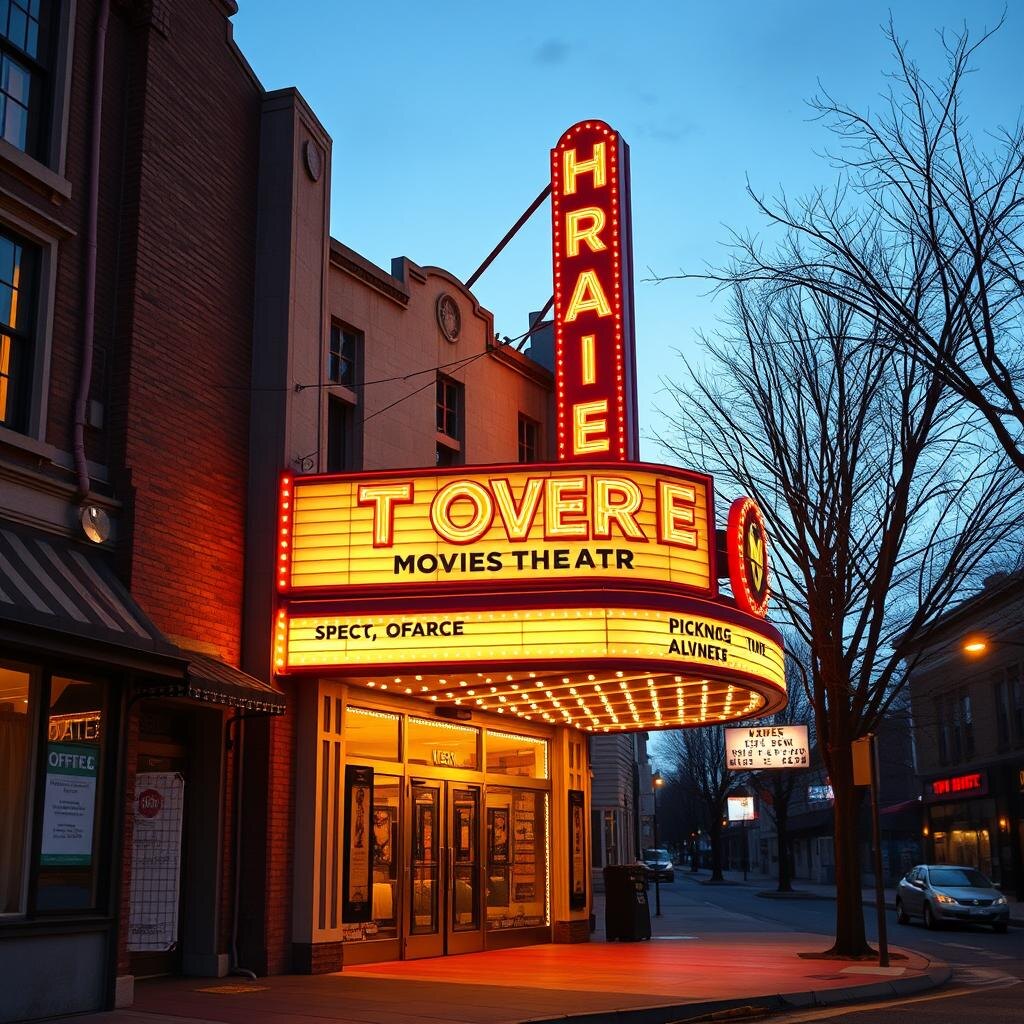
Ask any theater owner what keeps them up at night and "going dark" is near the top of the list. A fire, a burst pipe, an extended power outage, or a failed projector can force you to close — and when the doors are shut, the revenue stops while the bills keep coming. Business interruption insurance, also called business income coverage, is the policy built for exactly that moment.
Why Cinemas Are Uniquely Vulnerable
A movie theater carries heavy fixed costs that don't pause during a closure: rent or mortgage, staff payroll, utilities, and film licensing commitments. At the same time, cinema revenue is remarkably concentrated and time-sensitive.
- Blockbuster dependency: A huge share of annual revenue arrives during a handful of tentpole releases and holiday weekends. Miss a major opening because you're closed, and that money is gone forever — you can't make it up the following month.
- Thin margins: Concession sales subsidize slim ticket margins. Lose both during a shutdown and the math turns negative fast.
- Seasonality: Many theaters lean on summer and winter peaks. A closure during peak season is far more damaging than the same closure in a slow week.
Just a few weeks dark can threaten a theater's survival. Business interruption is what bridges that gap.
What Business Interruption Covers
When a covered physical loss forces you to suspend operations, business income coverage steps in to replace what you would have earned and to keep you solvent until you reopen:
- Lost net income: The profit you would have generated during the closure period, including ticket and concession revenue.
- Continuing expenses: Rent, loan payments, payroll, and utilities that continue even though you're closed.
- Extra expense: The added cost of reopening faster — temporary repairs, equipment rental, or a generator to restore power.
- Civil authority coverage: Lost income when authorities block access to your theater because of a nearby covered event.
The Trigger Matters
Business interruption is not standalone — it responds only when an underlying covered peril causes the shutdown. A fire, water damage, or an equipment breakdown that is itself covered will trigger your business income coverage. That's why business interruption, commercial property, and equipment breakdown are best written together as one coordinated program. A gap in the underlying coverage becomes a gap in your income protection.
Setting the Right Indemnity Period
The most common and most costly mistake theater owners make is choosing too short a restoration period. Picture what it actually takes to recover from a serious loss: rebuilding an auditorium, sourcing and installing custom recliner seating, ordering a replacement digital projector with a lead time of weeks or months, and passing inspections. For many theaters that's six to twelve months, not a few weeks.
If your indemnity period runs out before your screens are running again, the coverage stops paying while you're still closed. We help you set a restoration period that reflects the real-world timeline to get every seat filled again.
What It Doesn't Cover
Business interruption covers income lost to a covered physical loss. It does not cover a slow box office, a weak film slate, or a general downturn in attendance. It is protection against sudden, insurable disasters — not ordinary business risk.
Protect Your Revenue, Not Just Your Building
Your property policy rebuilds your theater. Business interruption keeps you in business while it's being rebuilt. At Movie Theater Insurance, we calculate the right business income limit and restoration period from your actual financials so a closure never becomes a closing. Call us or request a free quote today.