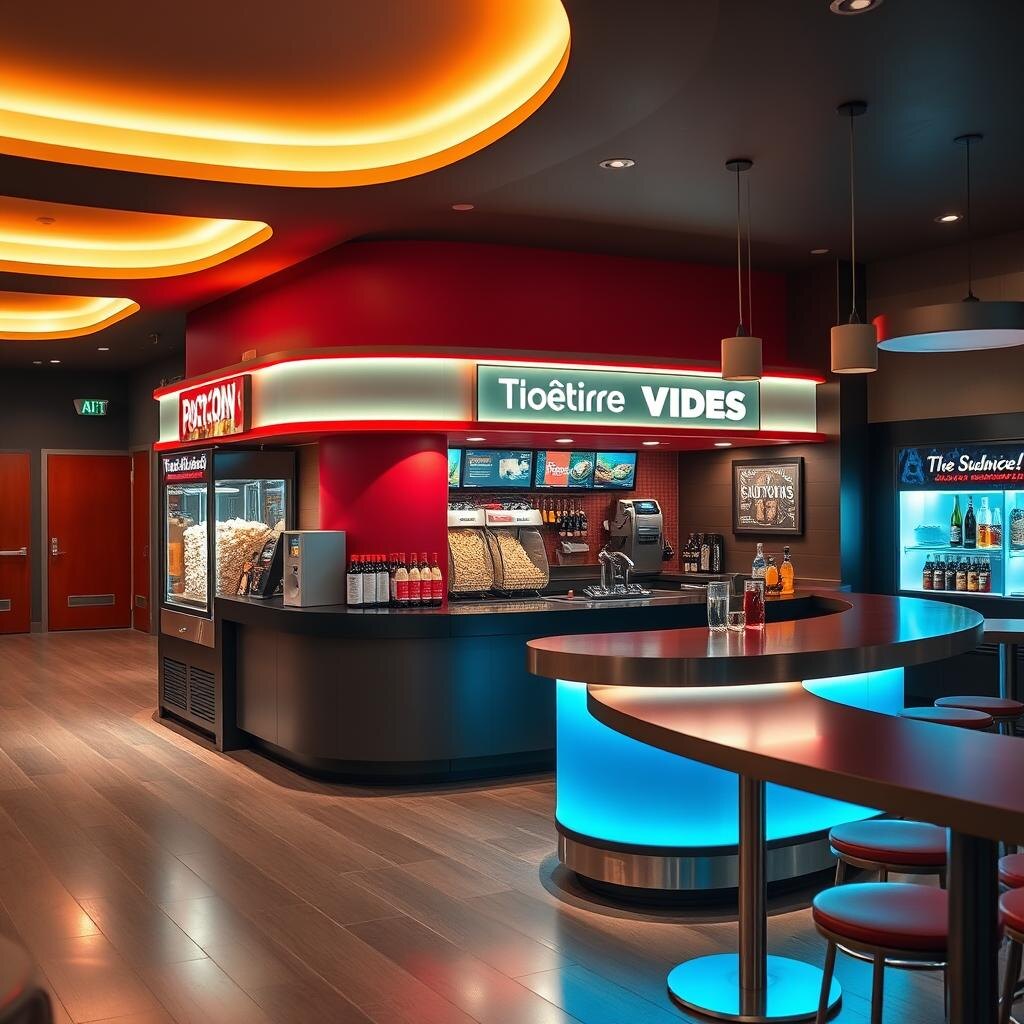
The movie-going experience has changed. Reclining seats, in-auditorium dining, and a full bar have turned the trip to the theater into a night out — and turned a lot of cinema owners into restaurateurs and bartenders. That shift brings real revenue, but it also brings a serious and frequently overlooked exposure: liquor liability. If your theater serves alcohol and you're relying on your general liability policy to cover it, you are almost certainly uninsured for the biggest risk on the menu.
What Is Dram Shop Liability?
"Dram shop" is the legal term for the responsibility a business takes on when it serves alcohol. Most states have dram shop laws that hold an alcohol-serving establishment liable when it serves a visibly intoxicated person or a minor who then causes harm — to themselves or to someone else.
The exposure is bigger than most operators realize because it follows the patron out the door:
- A guest you over-serve leaves your theater, gets behind the wheel, and causes a crash hours later and miles away.
- An intoxicated patron starts a fight in your lobby and injures another guest.
- A minor is served and is later involved in an accident.
In each case, your theater can be pulled into the lawsuit as the business that provided the alcohol — and dram shop judgments routinely reach six and seven figures.
Why General Liability Won't Save You
Here is the trap. Your general liability policy contains a liquor liability exclusion that applies to any business "in the business of" manufacturing, selling, serving, or furnishing alcohol. The moment you start selling beer and wine, that exclusion kicks in. Your GL will still respond to a patron who slips on a wet floor — but a claim arising from alcohol you served is specifically carved out.
That means a dine-in theater serving alcohol without a dedicated liquor liability policy is exposed to its single most catastrophic risk with no coverage at all.
What Liquor Liability Insurance Covers
A liquor liability policy fills exactly that gap:
- Third-party bodily injury caused by a patron you served
- Third-party property damage caused by an intoxicated guest
- Alcohol-related assault and battery on your premises
- Legal defense costs, which are substantial even when you ultimately win
- Coverage for beer, wine, and spirits, plus special events and catering if you host them
Dram Shop Laws Vary by State
The standards and damages differ dramatically from state to state. Some states impose liability only for serving minors or the obviously intoxicated; others are broader. Some cap damages; others don't. This is why a one-size-fits-all approach fails — your coverage limits should reflect your state's specific dram shop exposure. We make sure your policy matches the law where you operate.
Lower Your Risk and Your Premium
Liquor liability isn't just about transferring risk — it's about managing it. Carriers reward operators who take service seriously:
- Train your servers. Documented programs like TIPS demonstrate responsible-service practices and can lower your premium.
- Enforce ID checks and pour limits. Clear policies reduce the over-service incidents that lead to claims.
- Document everything. Incident logs and refusal-of-service records support your defense if a claim arises.
These steps both reduce the chance of a claim and signal to underwriters that you're a well-managed risk.
Don't Pour a Drink Without It
If your theater serves any alcohol — even just beer and wine at the concession counter — liquor liability is not optional. At Movie Theater Insurance, we build dram shop coverage into every dine-in and luxury theater program, sized to your state's laws and your service model. Call us or request a free quote before you serve another round.